

Cardinals, Partnership, Love and Other Musings
A Kitchen Table Reflection (featuring the Lovers card).

On this day-the eve of Beltane, the ancient Gaelic fire festival, celebrated on May 1st, there was something about this particular post that felt like it was calling to me.
Perhaps it is because Beltane, which comes from the Old Irish word “Beltene,” is often translated to mean “bright fire,” and thus historically Celtic people celebrated this holiday with bonfires, the blessing of livestock, protective rituals, and other seasonal celebrations welcoming fertility, growth, and abundance, which serves as a reminder of humans’ connection to nature.
Moreover, this holiday also coincides with modern-day celebrations such as “May Day” which in many European countries is also celebrated on May 1st as their equivalent to “Labour Day” in the States, in which many farming towns will hold festivals to celebrate the coming of the beginning of summer by having children or young women dance around the May Pole thus reminding them on their connection to their pre-Christian or Pagan roots.

In addition to these remnants of the past, modern practicing Pagans and witches often connect this holiday to the rituals of the hieros gamos, or “divine marriage.” Which is sometimes referred to as the “Great Wedding” or the union between the God and Goddess.
Therefore, sticking with this theme of humans’ connection to nature, union, marriage, and therefore partnership and love…I thought I would take a page from my ancestors and return to nature as my source of inspiration.
For context, I originally wrote this post last Sunday morning, where I once again found myself sitting at the kitchen table of my parents’ home, drinking coffee and staring out their bay window.
This ritual is something I’ve become accustomed to over the past two years since moving back in with my parents, as this trend appears to be growing quite common among elder millennials these days. Therefore, I have taken to watching two cardinals, a male and a female, gather food for their nest, which they have built just behind my parents’ fence, as perhaps a bit of escapism or an attempt to find meaning in all the strangeness that has transpired since my return home.
And so in this post, I wanted to document my observations of these two creatures and what they have taught me about nature, partnership, and, of course, love, not only for myself, but also for my collective millennial peers and humans as well.
Cardinals
It is important to note that when I first moved back home, for the first 3 months or so I only saw the male cardinal, who I’ll call “Carl,” when looking out my parents’ kitchen window, which wasn’t so shocking to me, since growing up, we would often see male cardinals hanging around my mother’s bird feeder, especially during the winter and fall months.
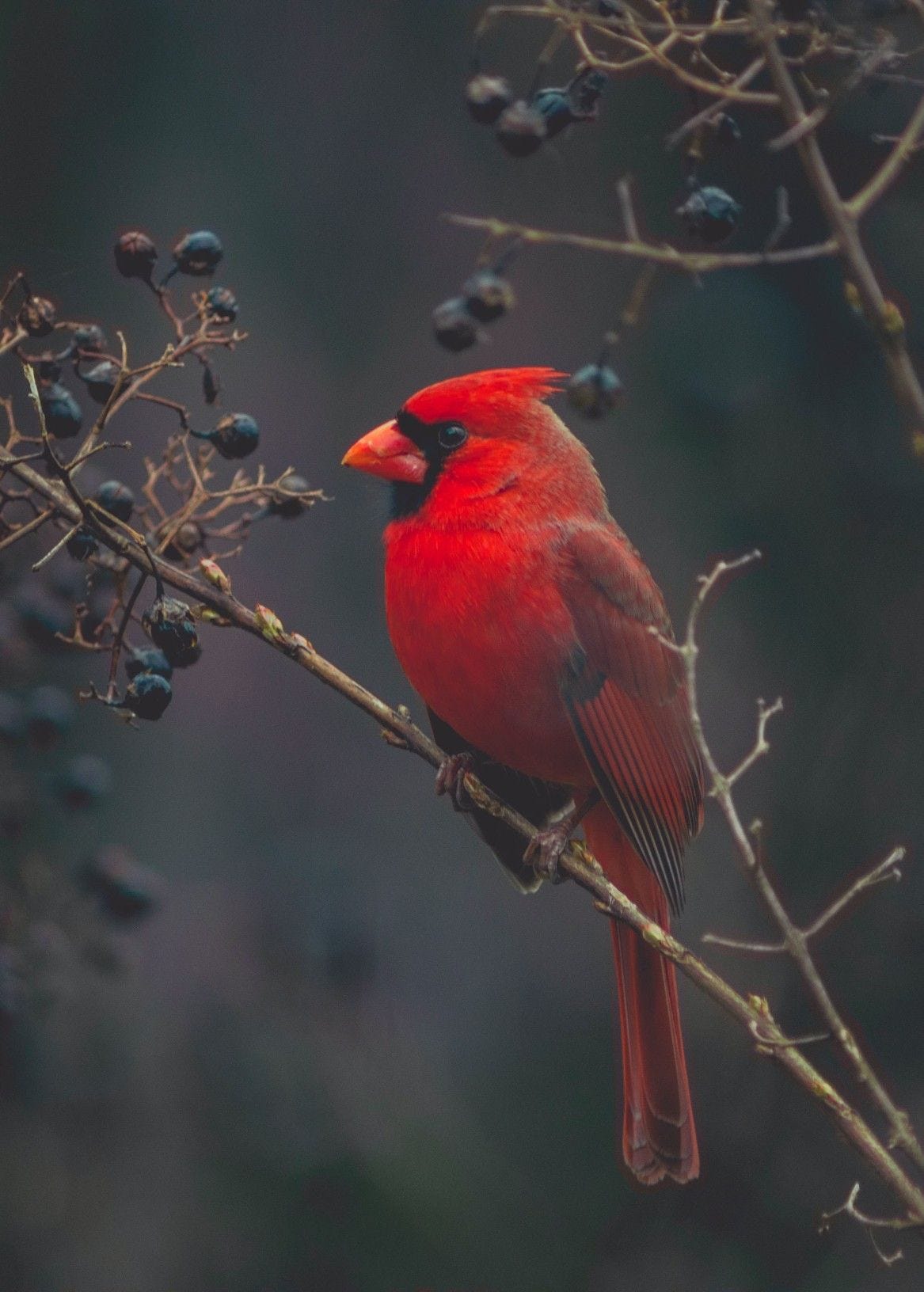
In fact, it is this association I’ve had with cardinals since childhood, which led me to get a tattoo of a male cardinal on my left ankle shortly after the passing of my paternal Cajun grandmother, Marie, with “OX” in her handwriting, which is how she would sign off all of her Christmas and Birthday cards to her grandchildren.
It was this practice of hers which subsequently inspired me to sign off all of my posts with her same signature move “OX”, because according to my grandmother, the clever woman she was, she said that it never made sense to her to put the traditional “XO” in her signature, because “why would you kiss (i.e. the “X”) a person before hugging them (i.e. the “O”).”
Therefore, she reversed the order of the two to make it more consensual. (Seems like a relevant message we could still use today in our modern world.)
However, despite my association of red cardinals with my grandmother aside, it wouldn’t be until about 6 months, or the following summer, that I realized the male cardinal (i.e. Carl) was not alone during his visits to our backyard to eat the seeds in my mother’s bird feeder. Since it appeared he was also there to be with his partner, the female cardinal, whom I’ll call “Carrie”.
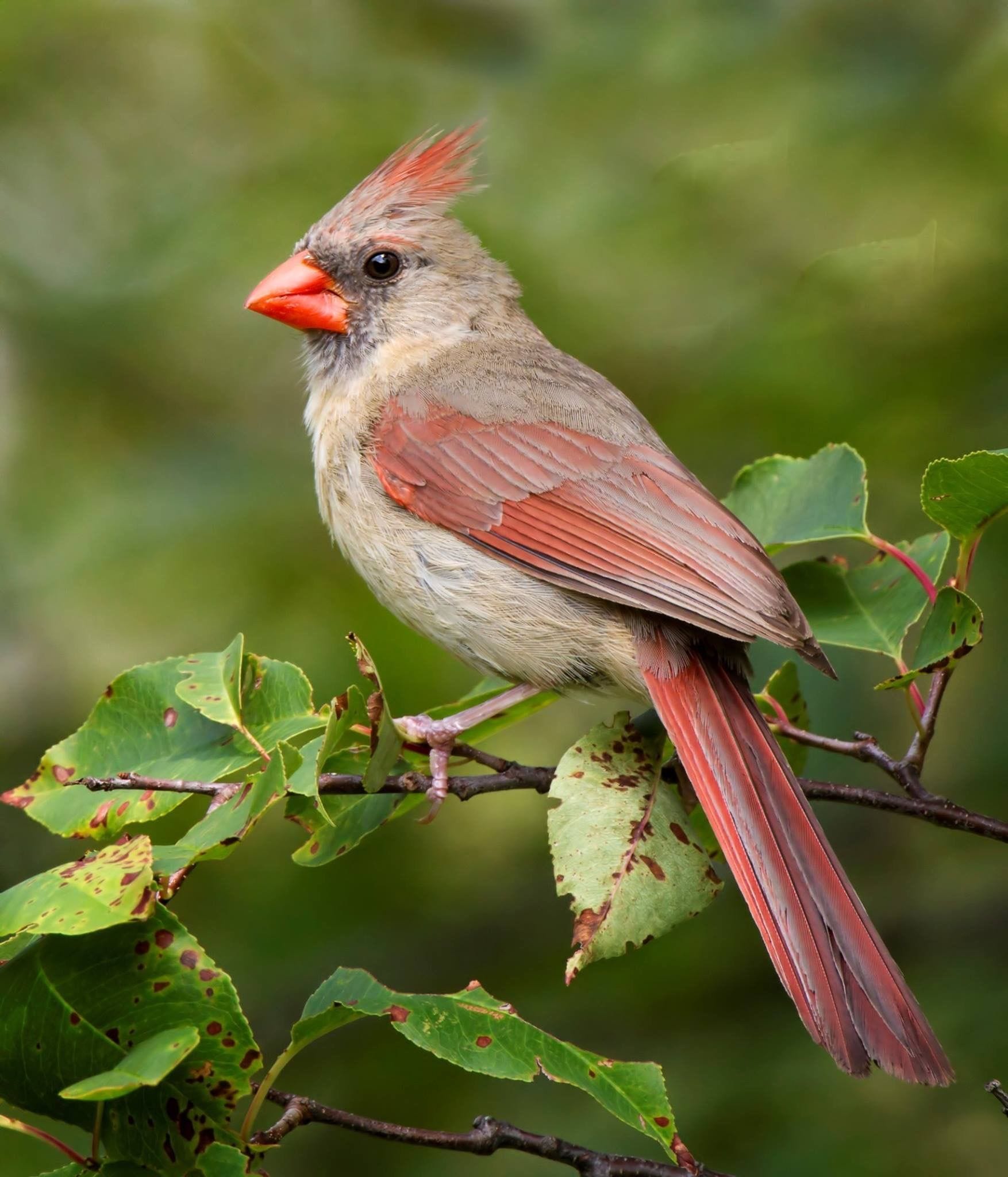
At first, when I saw the female cardinal (i.e. Carrie), I assumed that both Carl and Carrie were just passing through as separate birds and that they might do what animals do: mate and then move on from one another, as most bird species do.
This hypothesis of mine was also further reinforced by the fact that when I first started to notice the two birds, I would usually see one or the other, Carrie or Carl, but never both together at the same time. That was until later that summer, when I saw Carl feed Carrie for the first time.
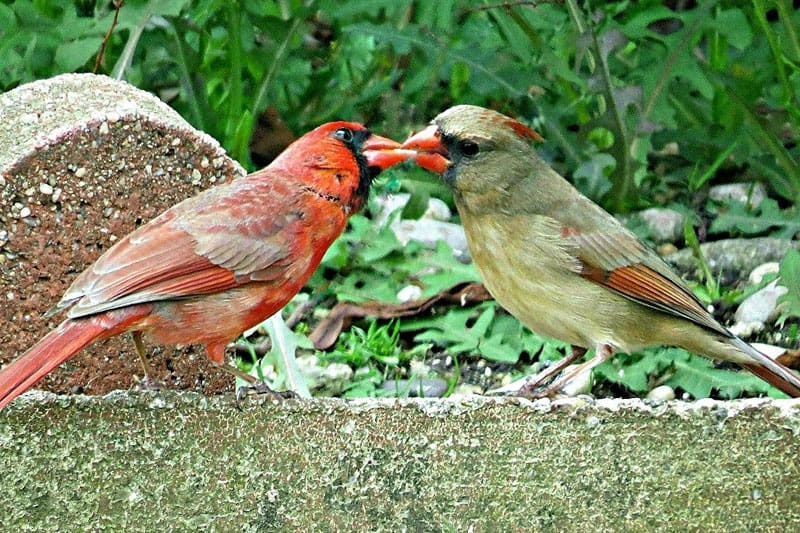
Photo taken from https://birdfeederhub.com/facts-about-cardinals/, which is where I pulled most of my information about cardinals for this article.
Thus, there was something about Carl’s act towards Carrie that made me realize these birds were not just “passing through,” but in a partnership or “marriage.” Thus, ever since, I have consistently seen the couple together. Or if they are not together, I can usually find either Carl or Carrie just a short distance away, perhaps in the tree just behind the fence, waiting for the other to return to their nest.
Consequently, observing this pattern has led me to do some research of my own about cardinals and their mating habits…
Partnership
It should be noted that my primary source for this information came from www.birdfeederhub.com, so I do not claim to be an expert on birds and their mating behaviors.
That said, I was shocked to discover that cardinals are mostly monogamous and typically mate for life or until one of them dies, which, in the wild, the lifespan of a northern cardinal (those indigenous to the southern and eastern United States) is typically around 3 years (though they can live up to 15 -25 years in captivity).
But more than this lifelong commitment to one another, the relationship between male and female cardinals highlights the importance of partnership.
You see, during the mating season, it is both the male and female cardinals’ job to work together in order to build their nest using twigs, grass, and other material, which they typically build in dense shrubbery or low branches, typically less than 10 feet from the ground.
In other words, they both occupy the “home” space and take an active role in building its foundation.
This process takes about 8-9 days and typically occurs in the late winter/early spring season, as cardinals will typically have only one or two broods (hatchlings) a year, which typically occur around March and May (I.e. the season of Beltane). During that time, the female cardinal will typically lay 2-5 eggs each time, which will hatch roughly 11-13 days after she lays them.
Yet the partnership between these two birds doesn’t end there.
Unbeknownst to me, I discovered that unlike other species of birds who usually migrate after giving birth to their young, cardinals are permanent residents (i.e. they do not migrate) thus once the baby cardinals have left their nest, it is typically the male cardinal who takes charge of the young baby birds until their iconic red coloring sets in (which takes about a year), teaching them how to eat and take care of themselves. Thus, while the male cardinal is preoccupied with raising their young, their female partner will subsequently go off to focus on building a new nest for their next brood, since cardinals do not typically reuse the nests they built, even when they remain in the same general area.
Talk about a hands-on father…
Moreover, it is well known that male cardinals, in particular, are very territorial; I have witnessed my male cardinal friend, Carl, exhibit this behavior when fending off other birds (such as Blue Jays) and even some very large squirrels while feeding or caring for his young.
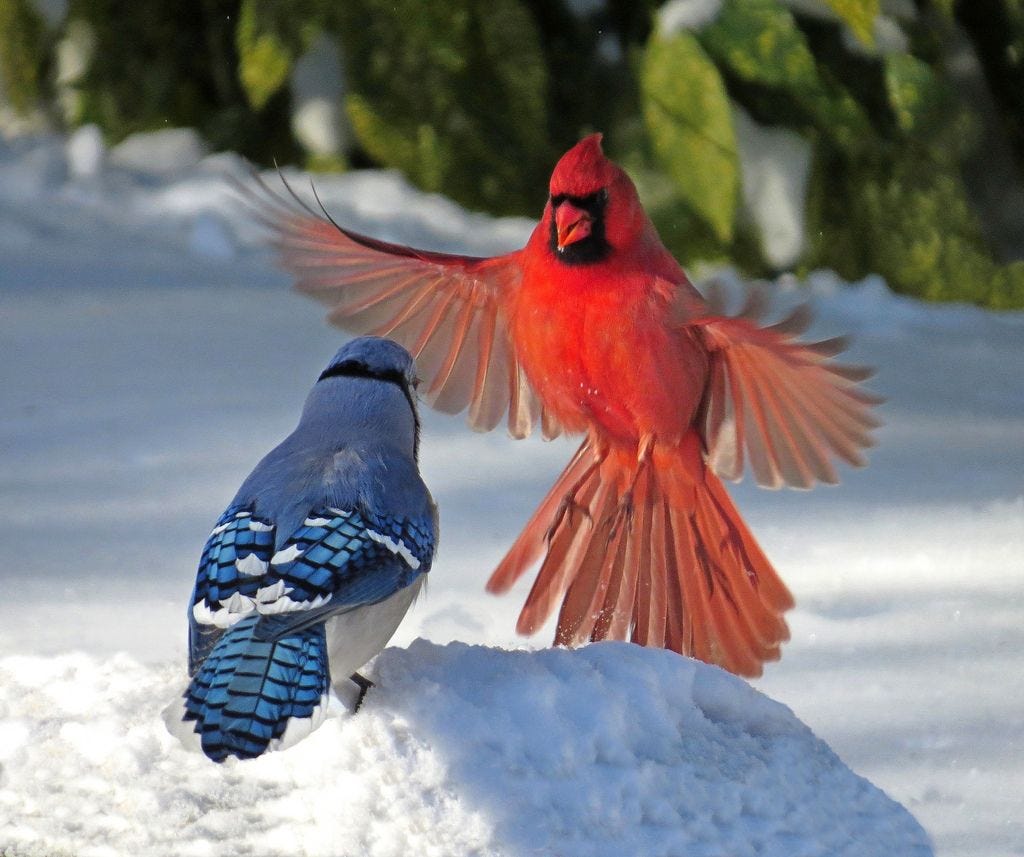
Thus, while it appears it is the female cardinal’s job to take care of the couple’s next home, and therefore the physical “hearth” of the domestic space, as she builds her nest to incubate her eggs. It is equally the male cardinal’s duty to protect not only the female and her nest from any predators, but also to take an active hand in raising their young with fierce conviction.
Yet it is also important to note that the female cardinal herself is not “passive” as I have watched Carrie go out to collect food or items for her nest while Carl protectively watches over her. In other words, their dynamic centers on the concept of partnership, going back to the male cardinal feeding the female cardinals as part of their mating ritual.
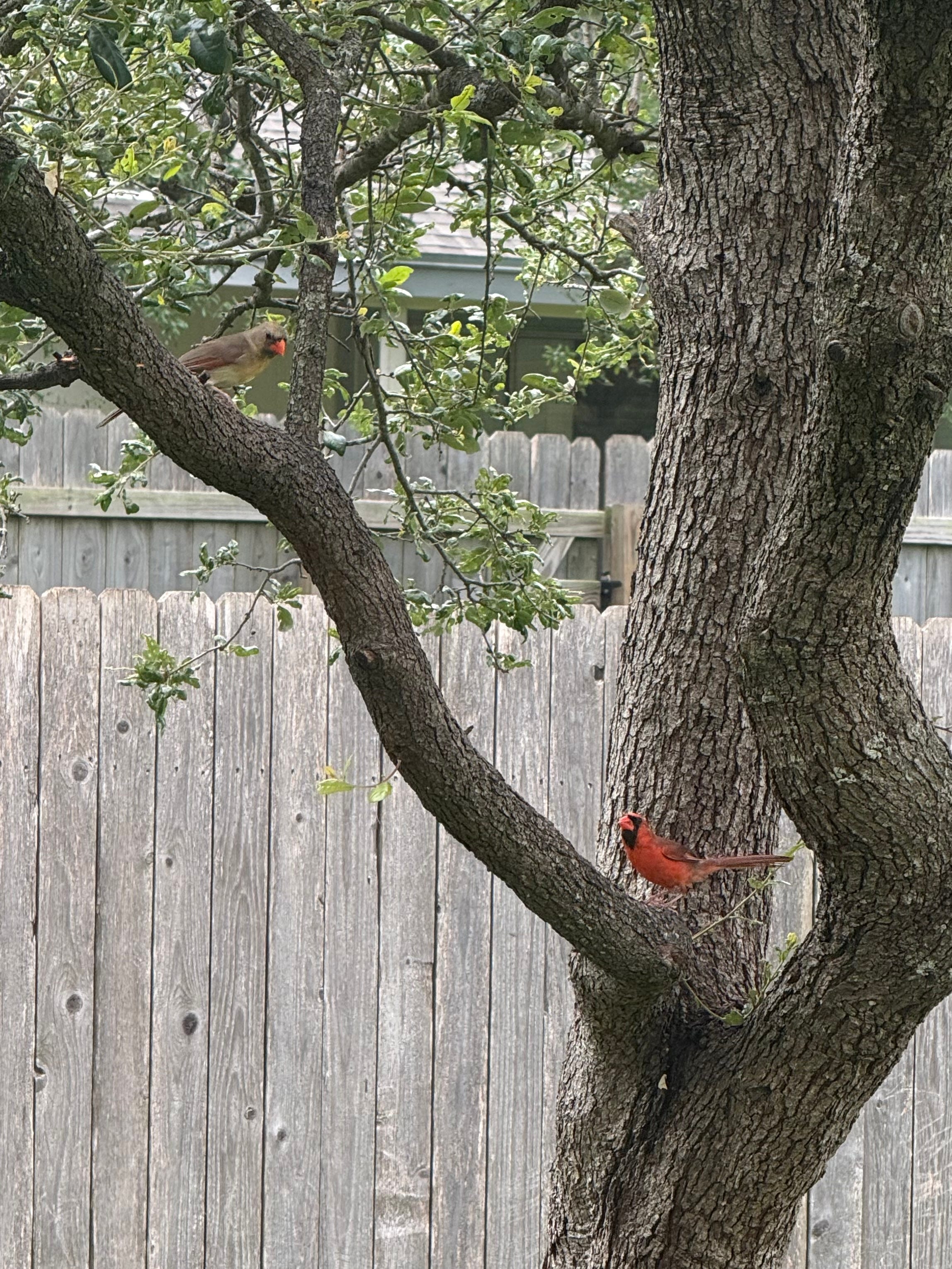
Photo taken from my kitchen table view.
This act in and of itself shows the male cardinal’s ability to not only provide for his partner, but to protect and nurture her as well, by being humble enough to place her needs above his own. Conversely, the female cardinal has to accept this gesture from the male cardinal in order for the mating ritual to work. Thus, allowing herself to be vulnerable to accept his protection and trusting that he will take care of her while she takes an active role in building their nest and laying her eggs for their offspring.
Thus, in many ways, the male cardinal’s actions reflect the concept of “courtly love,” in which the masculine must humble himself in the presence of the feminine or “the lady” to win her favor.
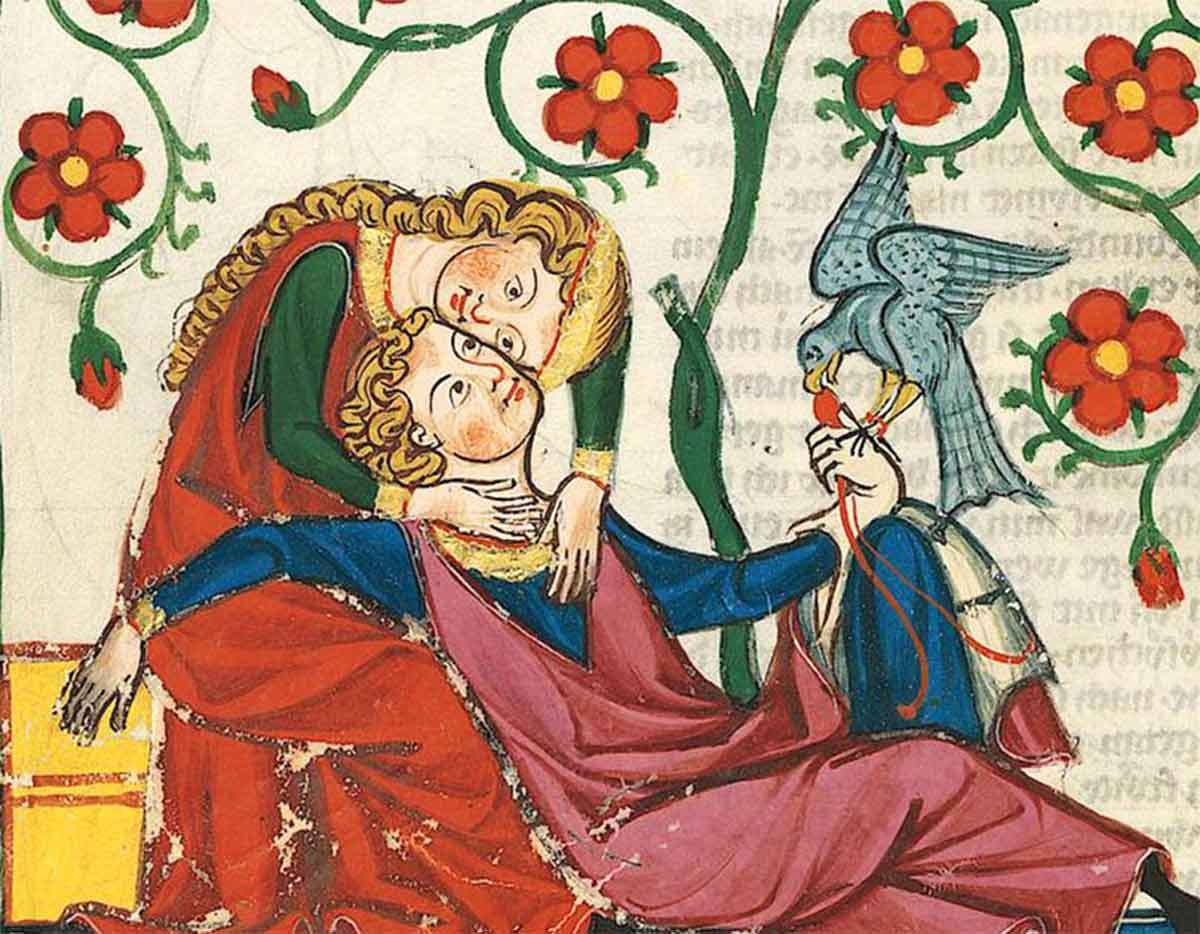
Thus, unlike what we are usually told about the animal kingdom and male species mating rituals, this act isn’t done through the male cardinal asserting his “dominant” or alpha-male behavior over the female cardinal. (Though he can definitely access that “protective” aspect of himself when he needs to.) Instead, they must meet as equals, recognizing the strengths each brings to the table and how they can work together to create a home.
Love
As I mentioned at the start of this post, as a single millennial woman living at home with her parents, it is hard for me not to think about love and partnership. Especially as I enter my mid-thirties.
Like most millennial men and women, I don’t think I was given good examples of what to look for in a healthy partnership – starting with my early media exposure.
Growing up like most millennials, I remember being exposed early on to “reality” dating shows, like Flavor of Love, The Bachelor/Bachelorette, Rock of Love, and I Love New York. This pattern has only continued, as we now have a whole host of newer reality romance TV shows, like Love Island, Perfect Match, and Love is Blind, which is now filmed in several countries, including Japan, Poland, Sweden, Argentina, Brazil, the UK, and, of course, the original US version.

But the hallmark theme across all these shows and couples (who rarely make it to the altar – let alone stay together) is that they center the “main character” or individual the film crew has chosen as their hero/heroine and their own storytelling, rather than viewing the couple as a unit or partnership.
And perhaps the most obvious example of this storytelling comes from the Bachelor/Bachelorette show format in which one lucky guy or girl is the object of desire for 20 or so individuals.
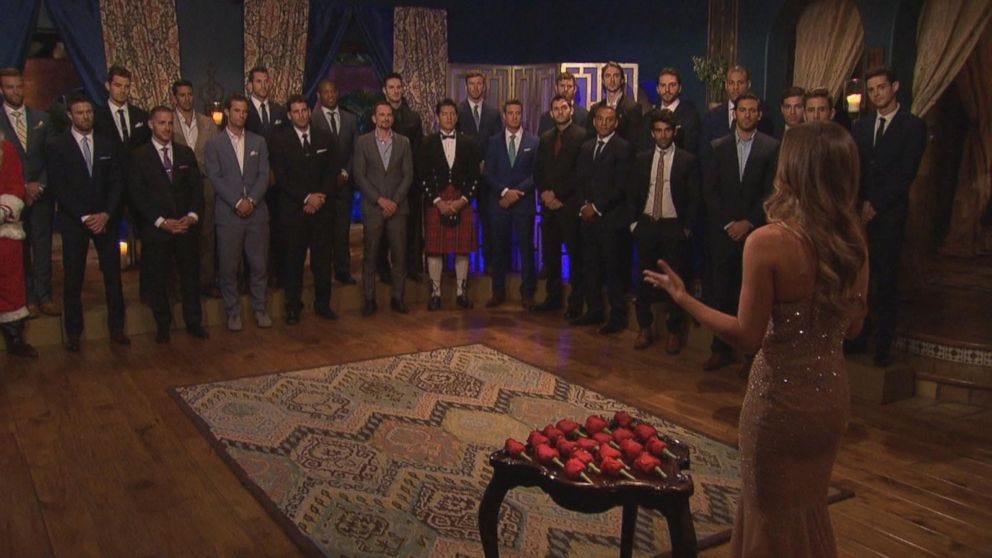
Thus, what usually happens in these shows is that the bachelor or bachelorette is forced to narrow their choice to two individuals who end up representing two extreme versions of an archetype.
For example, does anyone remember the first season of VH1’s show Flavor of Love starring Flavor Flav, in which Nicole “Hoopz” Alexander and Tiffany “New York” Pollard were pitted against one another?
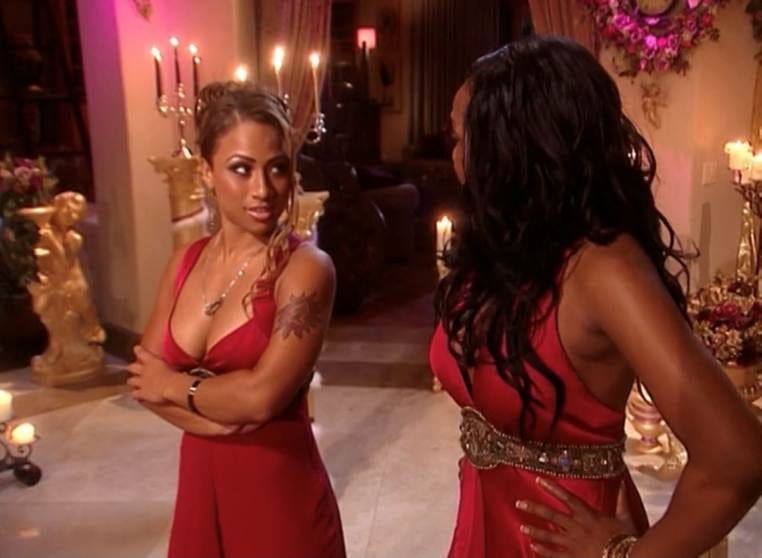
Hoopz (left) and New York (right)
Aside from perhaps the obvious fact that Flavor Flav gave each of the ladies nicknames as a way of centering his own perception of them (i.e., effectively turning them into objects as opposed to humans), the final two women of the first season also represent the extreme categories women often find themselves in when competing for men’s attention.
Since this show first aired in 2006, my 14-year-old brain distinctly remembers the rhetoric and how it became seared into my mind. On one end of the spectrum, we had “Hoopz,” who was the chill, “cool” girl. She was painted as sweet, down-to-earth, “drama-free,” and could play basketball and hang with the Flav’s boys without being too girly or high-maintenance.
Thus, she fit the “Goddess” archetype of the goddess-witch spectrum, which I have defined in my yonic theory approach, which you can learn more about through my website.
Conversely, New York represented the “Witch” archetype as she was possessive of Flav and struggled to get along with the other girls (i.e., the famous “Pumpkin” spit scene). Moreover, for whatever reason, she was not only highly sexualized by the producers of Flav’s show, but her weight also became a highly debated topic, just to further emphasize how “wild” and “out of control” she was.
Now, of course, anyone can look at that photo of Alexander and Pollard and recognize that both of these women were beautiful in their own right, so it was never about looks or weight at all. Instead, it was clever marketing and storytelling. Done by the producers of the show to make one woman look like the “Witch” and the other the “Goddess,” to center Flav’s perception of them.
Which is a motif we’ve seen before and is even referenced in my Lover’s card for my Yonic Tarot, which to support the creation of, consider purchasing a full subscription to see the image below.
Keep reading with a 7-day free trial
Subscribe to The Dark Fairy Godmother to keep reading this post and get 7 days of free access to the full post archives.