



It’s February 2nd, which coincides with the Celtic holiday Imbolc, but in the United States, we refer to this time period as another holiday: Groundhog Day.
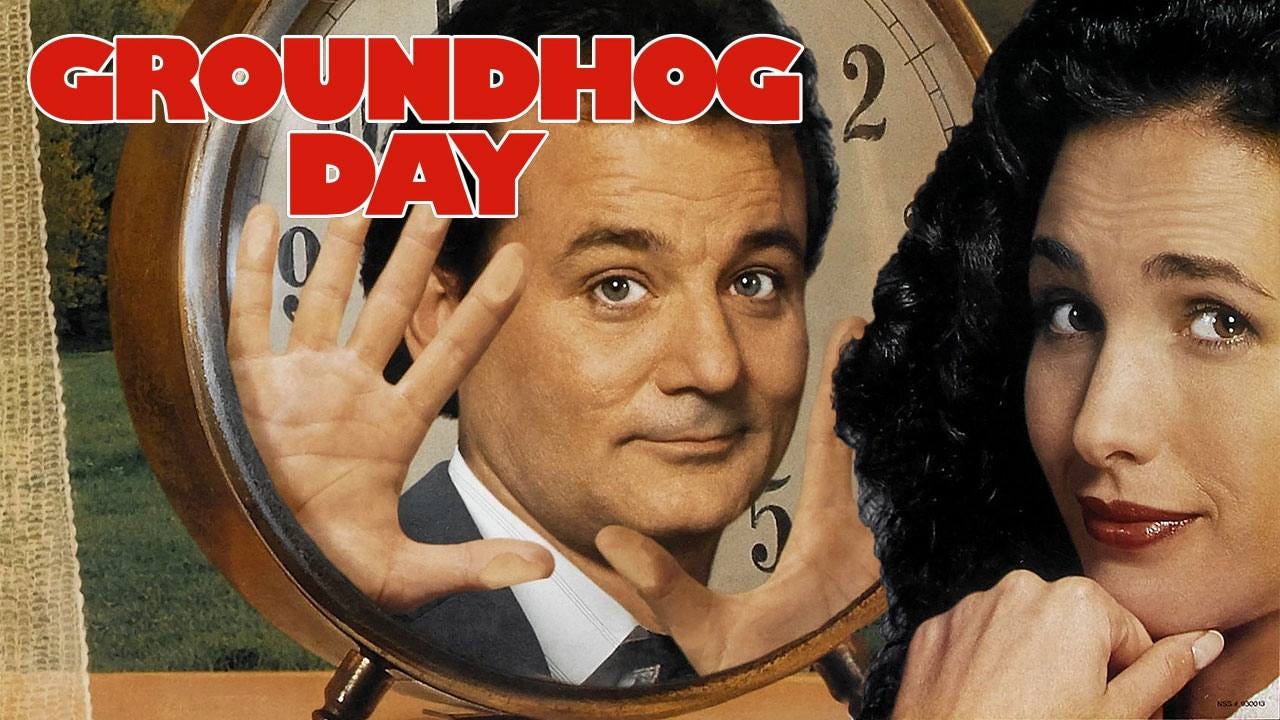
In this podcast episode, we will discuss the overlap between the symbolism of the pagan tradition of Imbolc and the Americanized version of this sacred holiday. We will also dive into the character of Phil Connors in the 1993 movie Groundhog Day ,who relives the “dead” of winter over and over again (i.e. the midpoint between the winter solstice and the spring equinox or the last 6 weeks of winter) and what he can teach us about resilience, hope and self-actualization via the Yonic Model of the Self.
We’ll begin with Phil Connors, played by Bill Murray, the egotistical weatherman who is trapped in his own Ego function.

From there, we’ll discuss how Phil uses women and other people, like Nancy Taylor, played by Marita Geraghty, who represents his Veil function, to reinforce his obsession with status, fame, and money. Keeping him stuck in a perpetual loop of self-loathing and unfulfillment, which is devoid of meaning, thus causing him to “relive” every day like it is Groundhog Day.

Thus, the groundhog, Punxsutawney Phil, represents human Phil’s Daemon function. The dark, masculine aspect of Phil’s self, which he must integrate. This is represented by the scene in which human Phil gives groundhog Phil (i.e., the “animal” or “shadow” within him) control of the truck he is driving, thereby merging with this aspect of himself.

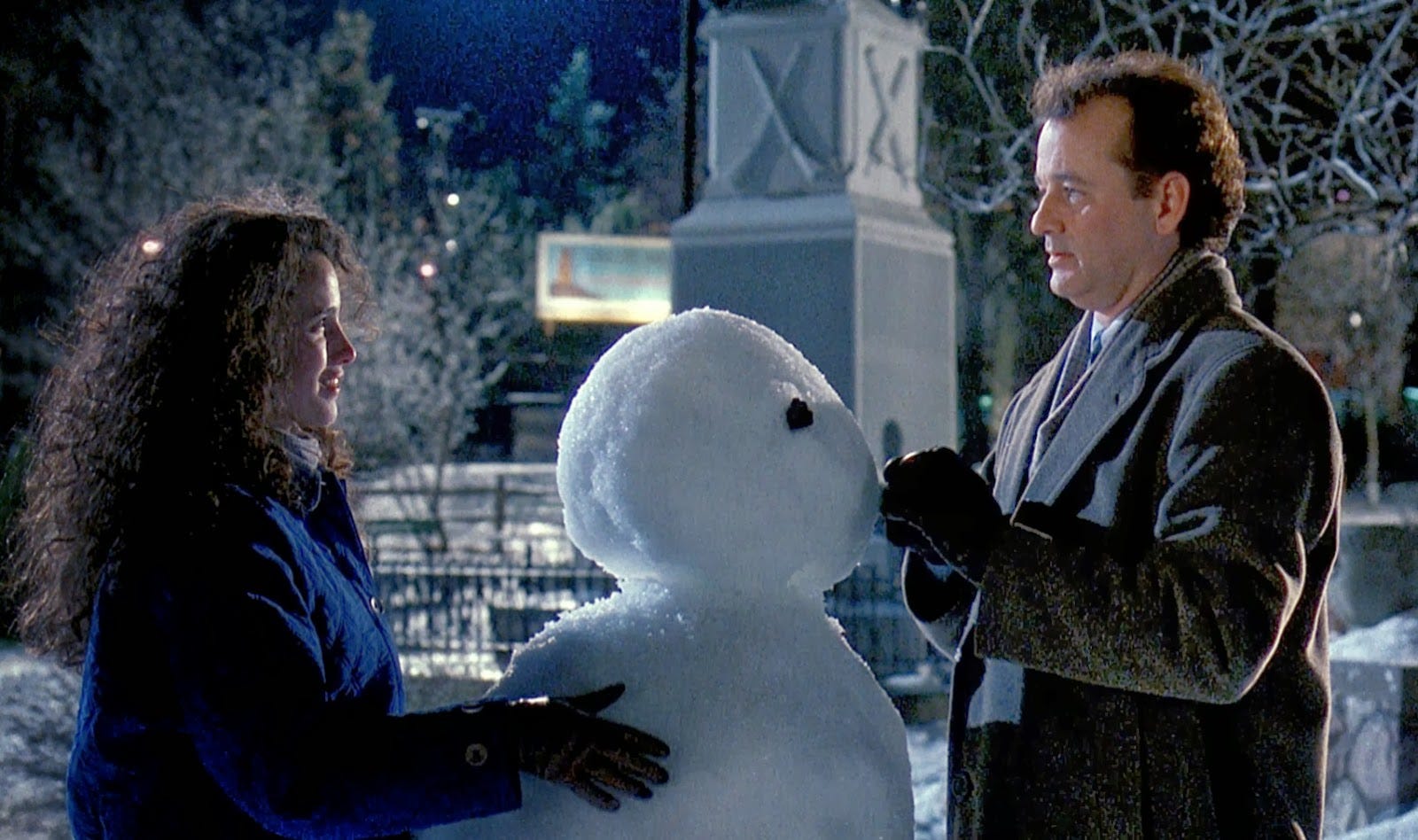
But it is not until Phil wins the love and acceptance of his Aura function, represented by his boss, Rita Hanson, played by Andie MacDowell, that he finally comes to accept himself. Thus, completing his journey of self-actualization and breaking the cycle of his endless winter.
So pour yourself a sweet vermouth with a twist, and let’s get into it!
OX,
Your Dark Fairy Godmother
Reference
Ramis, H. (Director). (1993). Groundhog Day [Film]. Columbia Pictures.


