


Heathcliff, Dracula, Lasher, Rhysand, Jess from Gilmore Girls…
What do all these men have in common? They are the “bad boys,” the ones the heroine knows she shouldn’t be with, shouldn’t desire, and yet she finds herself drawn to their darkness…because the darkness she sees in them is exactly the darkness she needs to reclaim within herself.
Thus, he represents what I refer to in my Yonic Theory approach as the Wildling archetype.
Or to quote a song from our Queen, Taylor Swift, who no doubt has dated her fair share of “bad boys” like Matty Healy:
Just say when, I'd play again
He was my best friend down at the sandlot
I felt more when we played pretend
Than with all the Kens
'Cause he took me out of my box
Stole my tortured heart
- Taylor Swift “My Boy Breaks His Favorite Toys” TTPD
Thus, Taylor, the musical genius she is, reveals the purpose of the Wildling or “bad boy” archetype for women.
It is the man that women project their dark masculine aspects (i.e., the Daemon function) onto, whether real or imaginary - as the author of Wuthering Heights, Emily Brontë, did with Lord Byron, who wrote the poem Don Juan and The Dream, which is said to have inspired her book.
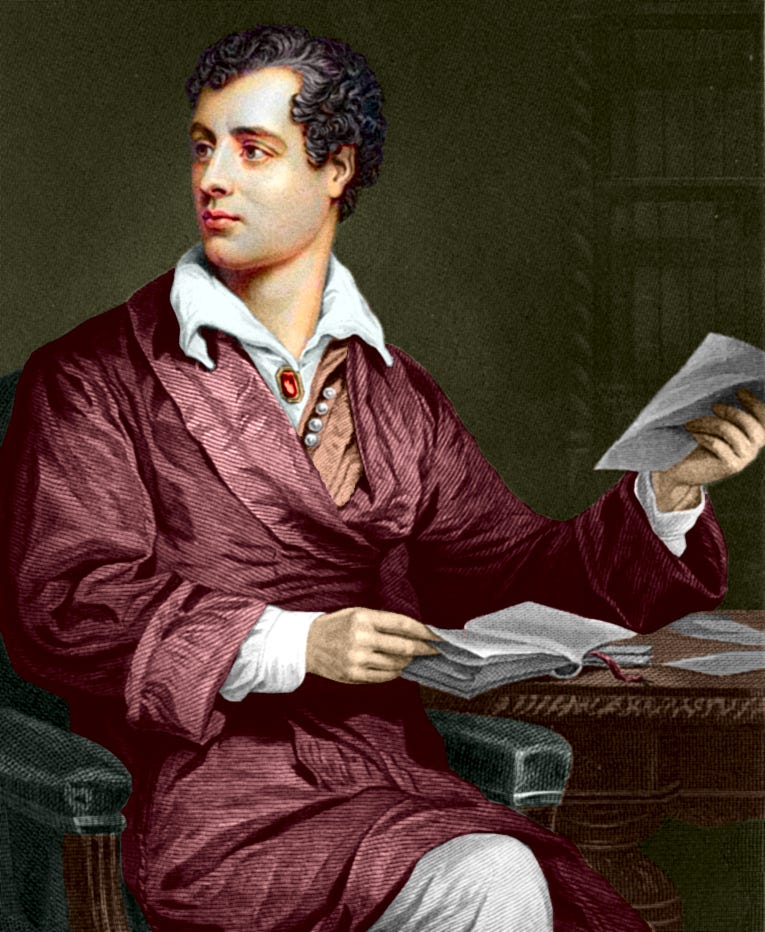
Lord Byron
Which is why in this podcast episode, I reference a post I made just shy of a year ago, during the early construction stages of developing my theory on the role of the wildling archetype for women through my concept of the prince charming-wilding spectrum.
Beauty and the Beast

Very few things in life can excite us as much as the Eros of romance and sex can. It seems as though these experiences with another, which arouse and excite us, are necessary for our evolution.
Thus, I go into the history behind this archetype and why women are drawn to these tortured male characters, as seen in Emerald Fennell’s 2026 re-interpretation of Brontë’s “Wuthering Heights” through the character Heathcliff, played by Jacob Elordi.
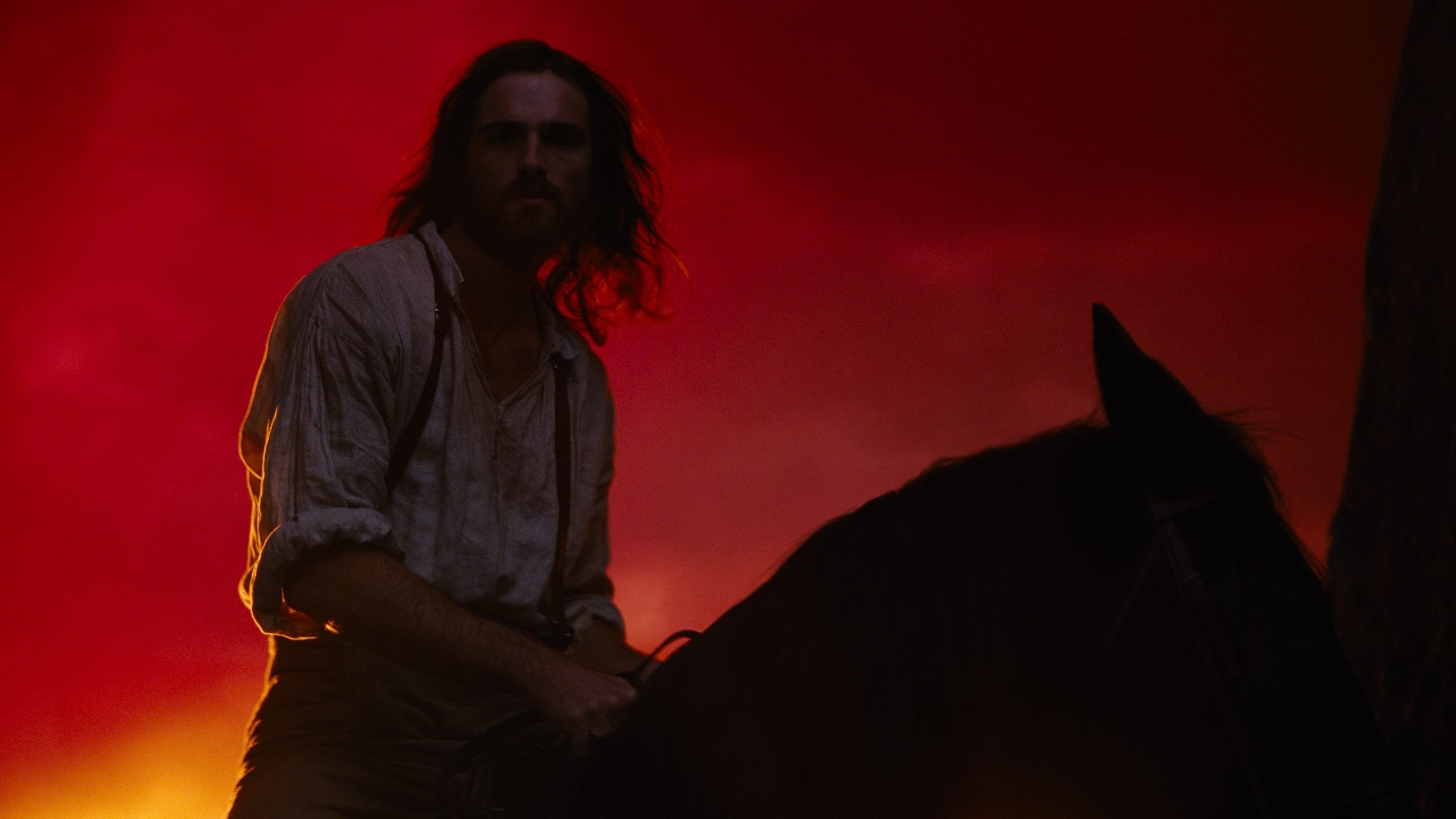
Heathcliff (Elordi) give off some serious Don Juan vibes, perhaps a reference to Bryon…
Thus, in part 1 of this two-part episode, I will discuss how the archetype of the Wildling not only inspired Brontë’s and Fennell’s telling of the story of Wuthering Heights, but also why Fennell decided to change Brontë’s original story to mirror our modern obsession with this archetype and what he represents within our collective.
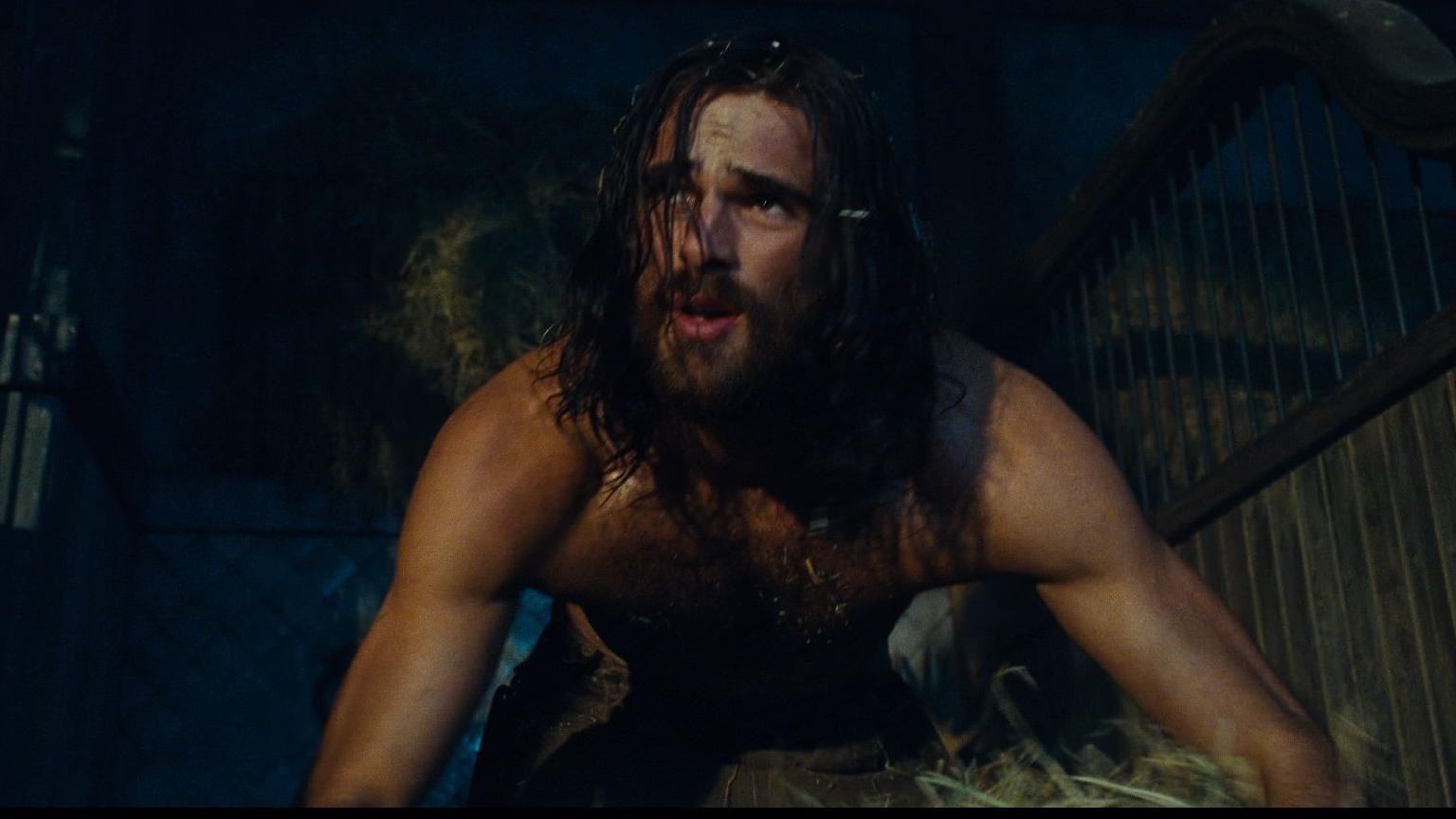
Heathcliff (Elordi)
Namely, women’s desire to not only reclaim their “raw”, “dirty” and “darker” parts of themselves, but also their passion, creativity, sensuality and zest for life, which women are prevented from embracing….
…but more on that in part 2 of this episode when I apply my Yonic Model of the Self to the character Catherine’s process of self-actualization.
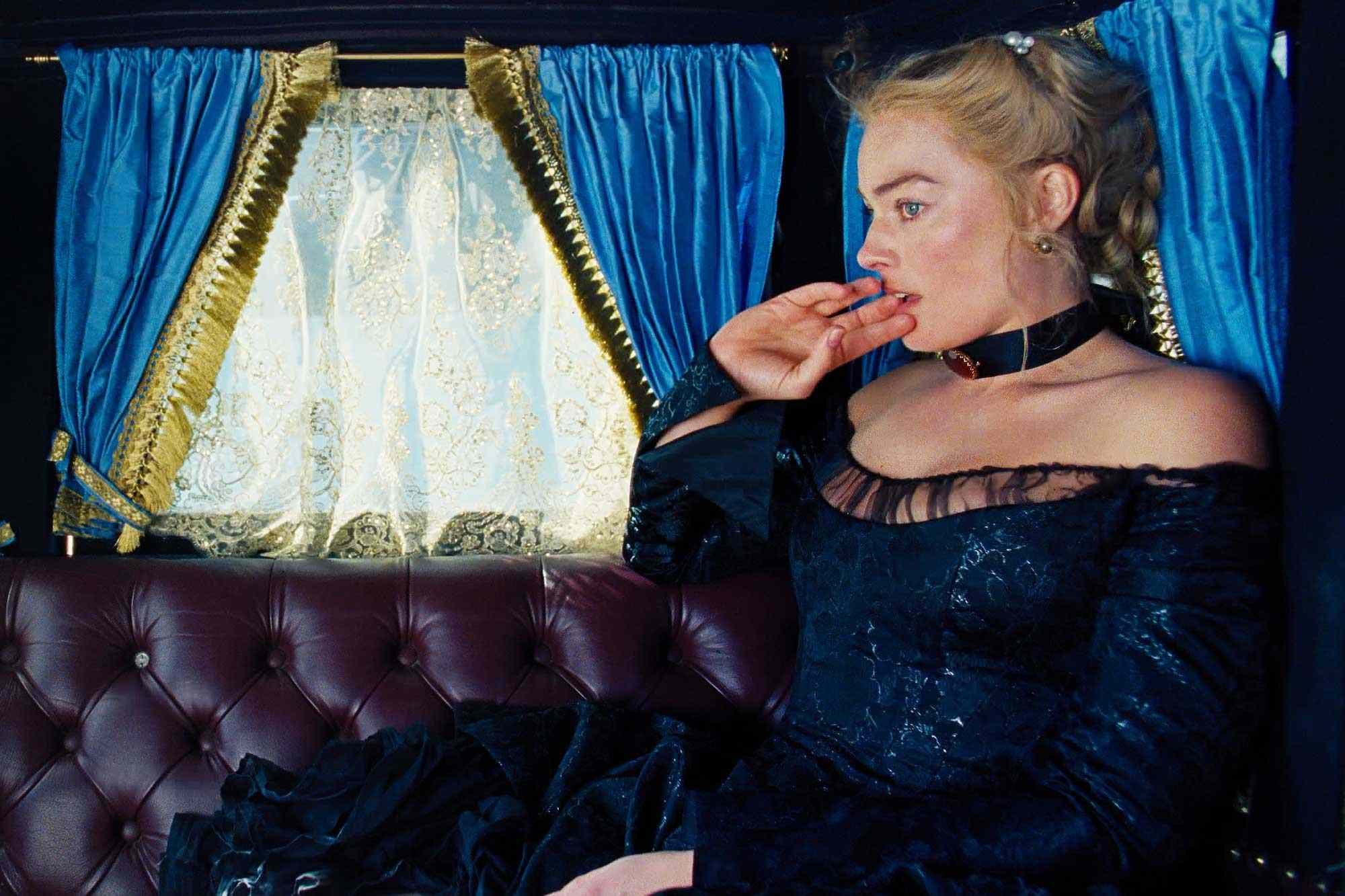
Margot Robbie as Catherine
For now, let’s sit back and dive into the archetype of the Wildling and what dark, raw, passionate wisdom he has to share with us…
OX
Your Dark Fairy Godmother
If you would like to learn more about Dr. Roby’s Yonic Model of the Self or the archetype of the Wildling through her Yonic Theory approach, check out the resources below:
If you would like to donate to her Yonic Tarot deck creation fund, please do so through her ko-fi account:
Resources:
Brontë, E. (1847). Wuthering Heights.
Fennell, E. (Director). (2026). Wuthering Heights [Film]. LuckyChap Entertainment.
Murdock, M. (1990). The heroine’s journey: Woman’s quest for wholeness. Shambhala.
Woodman, M. (1990). The ravaged bridegroom: Masculinity in women. Inner City Books.


