


In the second part of this episode, I will apply my Yonic Model of the Self from my Yonic Theory™ to perhaps one of the most iconic love triangles in history - the characters Elphaba, Fiyero, and Glinda from Wicked.
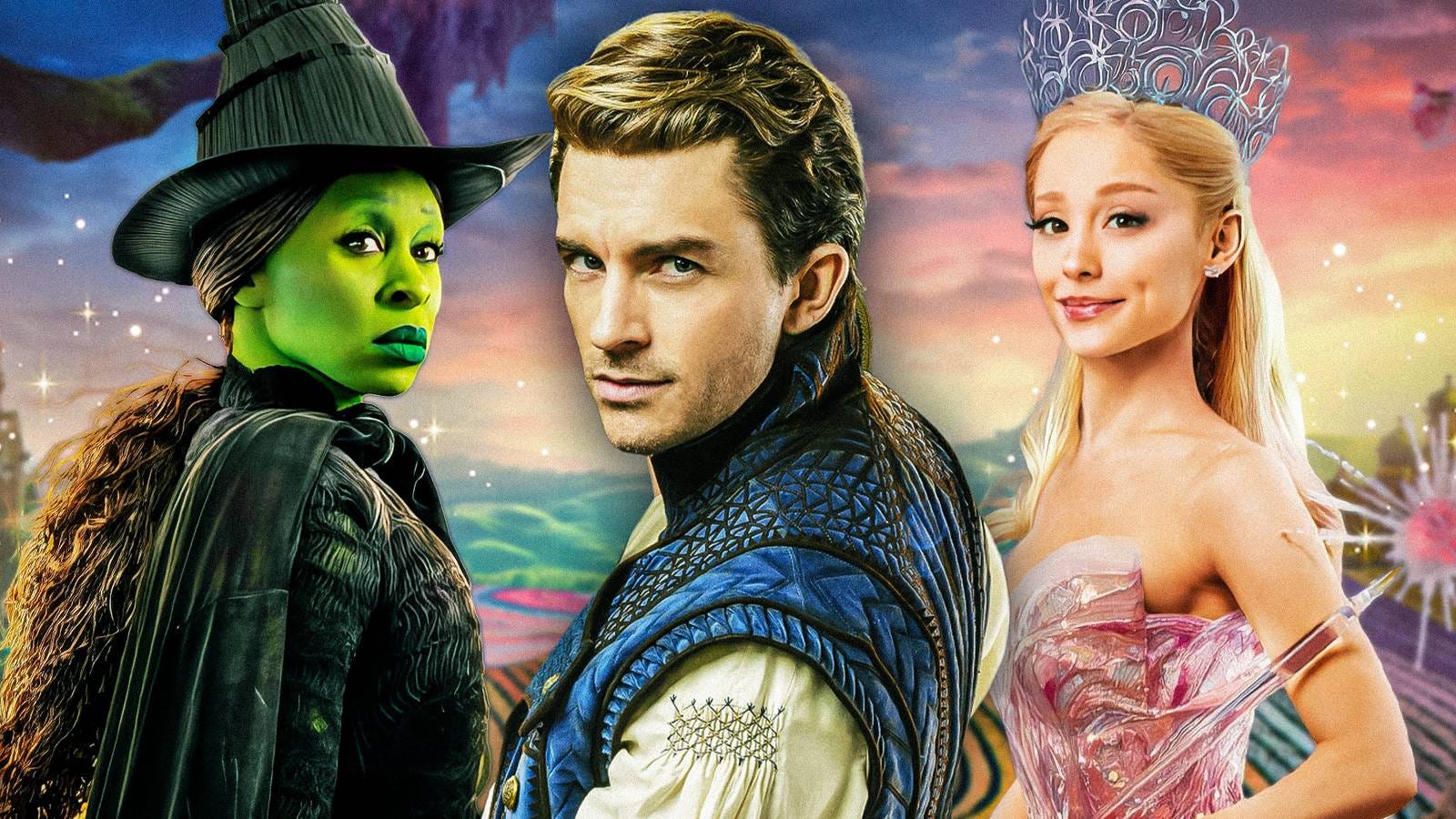
Elphaba (Erivo), Fiyero (Bailey), and Glinda (Grande)
One of the reasons I love this musical and Jon Chu’s adaptation of it in Wicked (2024) and Wicked: For Good (2025), is because it serves as a reminder that our self-actualization process does not happen in isolation. Instead, we project aspects of ourselves onto others (e.g., the goddess and witch archetypes), thereby revealing aspects we need to integrate. Therefore, it is through the people we meet in our lives that we come to know our true Self.
Furthermore, it is a reminder that we can “play” very different roles in others’ stories and journeys throughout life. Thus, this perspective is inherently feminine in nature and reflective of my Yonic Theory™ since it is this emphasis on connection and understanding the Self through the other (becoming “we”) that we grow.
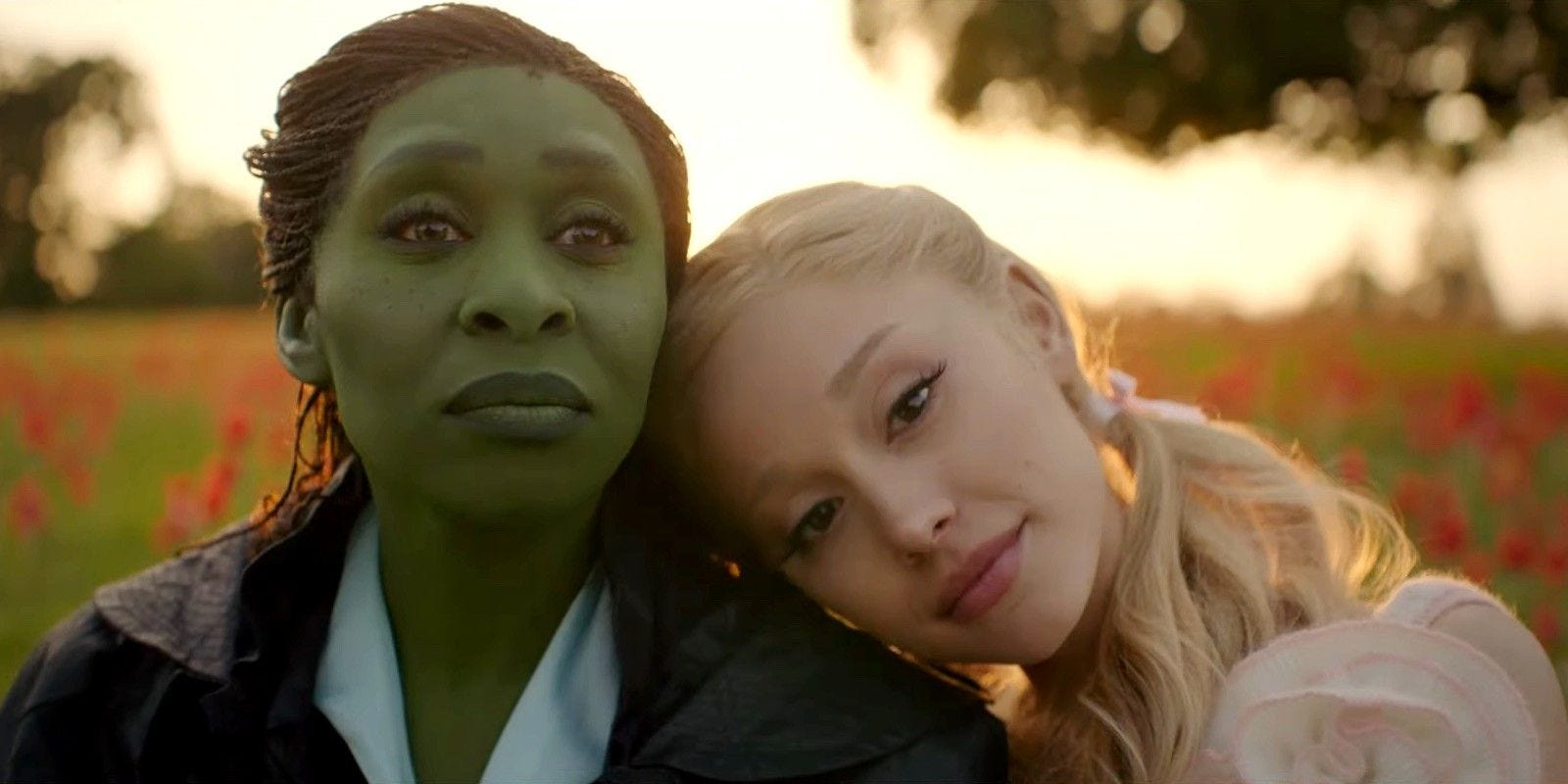
Elphaba (Erivo) and Glinda (Grande)
For more information on my theory and the role relationships play in our self-actualization process, feel free to purchase and read my journal article on the Yonic Model of the Self.
While there are many characters in the movies who influence each of these characters‘ journeys, I want to focus specifically on these three main characters and what wisdom they have to teach us:


